1. Product Overview
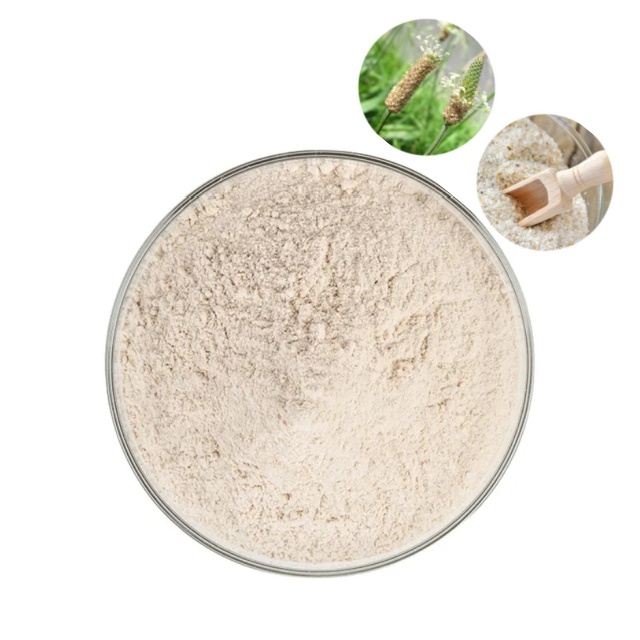
Slippery Elm Bark Powder is a fine, pale yellowish-brown to greyish-brown powder milled from the dried inner bark of the North American elm Ulmus rubra Muhl.
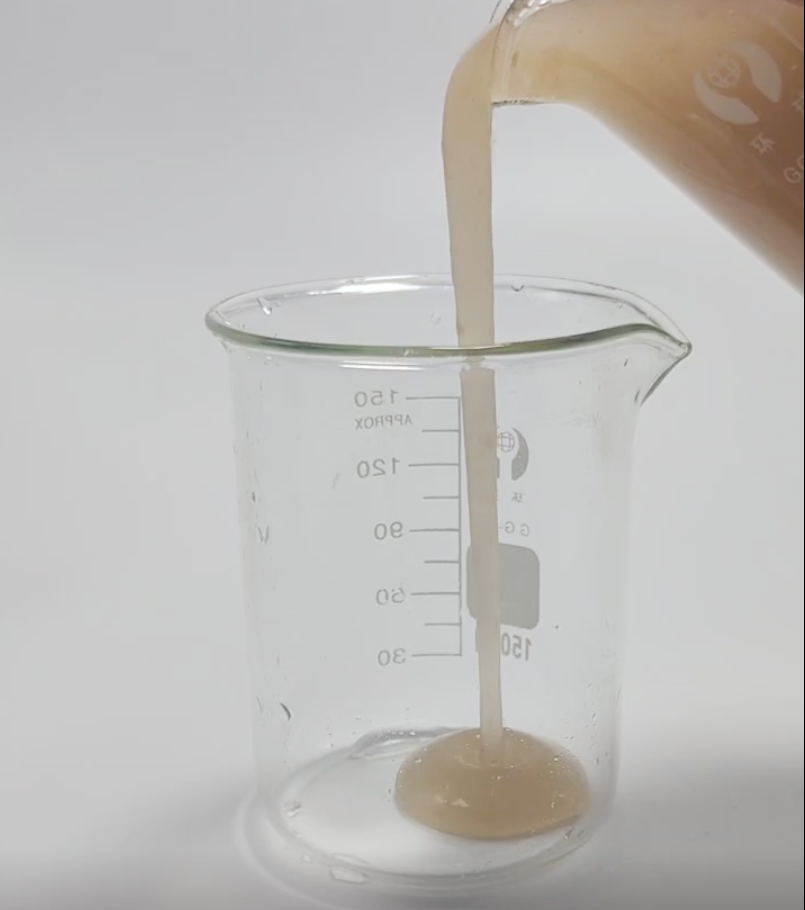
Its defining property is a high mucilage content: on contact with water the powder swells rapidly and forms a slippery, gel-like dispersion. That is where the name "slippery" comes from, and it defines the commercial positioning — in dietary supplements, throat formulas, digestive-support products and pet nutrition, it delivers physical coating and lubrication rather than the action of a single highly active compound. This is why it is hard to substitute in a formula, and it is the basis of both pricing power and customer retention.
One-line positioning: a mucilage-rich botanical powder whose function is driven by physical properties, not by an active marker.
2. Specifications and Quality Standards
The table below shows typical industry ranges for internal reference only; actual limits follow the customer's standard and destination-market regulation.
| Parameter | Typical range (reference) | Method | Notes |
| Appearance | Pale yellowish-brown to greyish-brown fine powder, characteristic odour | Organoleptic | Colour varies by tree age and batch; agree a retained standard sample with the buyer |
| Mesh size | 60–120 mesh (80 / 100 most common) | Sieve analysis | Finer mesh costs more; over-fine powder dusts and flows poorly |
| Moisture | ≤ 8–10% | Oven method | Directly drives shelf life and caking risk |
| Total ash | ≤ 8–10% | Incineration | High values suggest soil or outer-bark contamination |
| Acid-insoluble ash | ≤ 1–2% | Incineration | More sensitive indicator of inorganic (sand/soil) load |
| Swelling index / viscosity | Per customer or in-house spec | Pharmacopoeial swelling index; rotational viscometer | The parameter closest to functionality — recommend as a release test |
| Heavy metals | Pb ≤ 3 ppm; As ≤ 2 ppm; Cd ≤ 1 ppm; Hg ≤ 0.1 ppm | ICP-MS | Bark readily accumulates metals; test every batch |
| Microbiology | TPC ≤ 10⁴–10⁵ cfu/g; yeast & mould ≤ 10²–10³ cfu/g; E. coli, Salmonella, S. aureus absent | Pharmacopoeial methods | Strongly correlated with sterilization route |
| Pesticide residues | Compliant with EU / USP <561> / Japan positive list | GC-MS/MS, LC-MS/MS | Priority for wildcrafted batches |
| Sulphur dioxide | Not detected, or ≤ 30 ppm | Distillation-colorimetry | Some suppliers fumigate to preserve colour; prohibit explicitly in the contract |
| Residual solvents | Compliant with ICH Q3C | GC | Extract grades only |
