
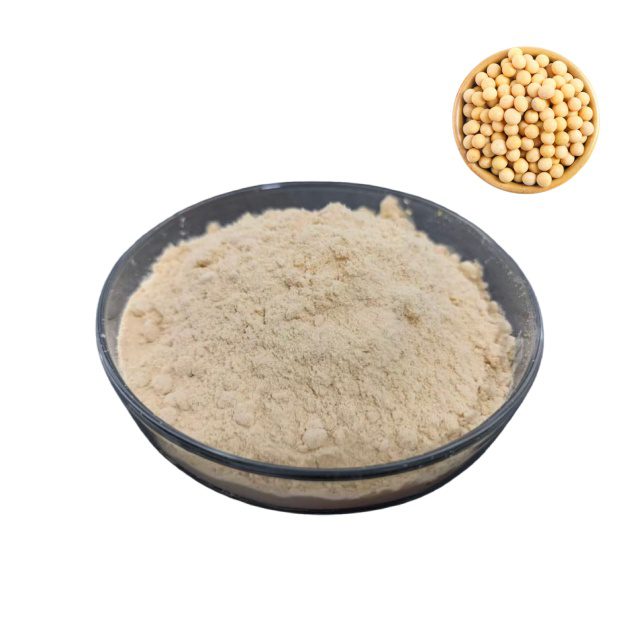

What is Soy Lecithin Powder?
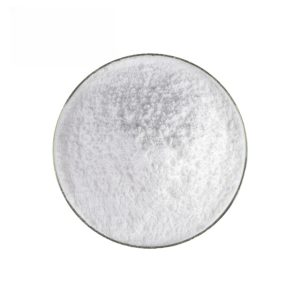
Soy lecithin powder is a natural emulsifier derived from soybeans. It’s a byproduct of the process of extracting soybean oil.
-
Emulsifier: This is its primary function. An emulsifier allows two substances that normally don’t mix (like oil and water) to blend smoothly and stay combined. Think of how vinegar and oil separate in a salad dressing—lecithin helps prevent that.
-
Source: It’s extracted from soybeans using a chemical solvent (usually hexane), which is then removed. The resulting substance is a sticky, thick fluid that is then dried and often “de-oiled” to create a free-flowing powder.
-
Composition: It is rich in phospholipids, particularly phosphatidylcholine, which are essential building blocks for cell membranes in the body.
Common Uses
Soy lecithin powder is incredibly versatile and is used in both commercial food production and home kitchens.
1. In Commercial Food Production
You’ll find it in a vast array of processed foods:
-
Chocolate: Prevents “bloom” (those white streaks) and ensures a smooth, even texture.
-
Baked Goods: Acts as an emulsifier in dough, improving volume, texture, and shelf life.
-
Margarine & Spreads: Keeps the oil and water components from separating.
-
Instant Products: Helps powders (like hot cocoa) dissolve more easily in liquid.
-
Non-Stick Cooking Sprays: Used as the releasing agent.
2. In Home Cooking & Baking
It’s a secret weapon for modernist cuisine and serious bakers:
-
Smoothies & Sauces: A small pinch (1/4 tsp) can help bind ingredients and prevent separation, creating a smoother texture.
-
Homemade Chocolate: Ensures a professional-looking, snappy finish.
-
Bread Making: Adding a small amount to dough can improve crumb structure and make the bread softer and rise better.
-
Creating Foams & Airs: A key ingredient in molecular gastronomy for creating stable, flavorful foams to top dishes.
3. As a Dietary Supplement
Due to its phosphatidylcholine content, it’s sold in capsule or powder form as a supplement for:
-
Brain Health: Choline is a precursor to acetylcholine, a neurotransmitter important for memory and learning.
-
Liver Health: Some studies suggest it can help protect the liver and prevent fatty liver disease.
-
Cholesterol Management: It may help improve cholesterol levels by raising HDL (“good”) cholesterol.
Potential Health Benefits
When consumed as part of a balanced diet or as a supplement, soy lecithin may offer several benefits:
-
Improved Cholesterol and Heart Health: Studies have shown it can help lower “bad” LDL cholesterol and increase “good” HDL cholesterol.
-
Enhanced Brain Function: The choline in lecithin is crucial for brain development and cognitive function.
-
Better Liver Function: It can help reverse fatty liver disease and improve liver function markers.
-
Boosted Immune Function: Some animal studies indicate it can enhance immune response.
-
Relief for Clogged Milk Ducts: Many lactation consultants recommend soy lecithin (1-2 capsules, 3-4 times daily) to reduce the stickiness of breast milk, helping to prevent and manage clogged ducts. (Always consult your doctor first).
Potential Downsides & Considerations
-
Soy Allergy: This is the most critical concern. People with a soy allergy must avoid soy lecithin.
-
Genetically Modified (GMO) Source: The vast majority of soy grown in the world is genetically modified. If this is a concern for you, look for products specifically labeled as Non-GMO or Organic soy lecithin.
-
Mild Side Effects: In very high doses, it can cause minor digestive issues like diarrhea, nausea, or abdominal pain.
-
Estrogenic Effects: There is some debate about the phytoestrogen content in soy. For most people, it’s not a concern, but those with specific hormone-sensitive conditions may want to consult a doctor.
How to Use Soy Lecithin Powder at Home
-
Start Small: It’s powerful. A little goes a long way. Often, just 0.5% to 1% of the total weight of your recipe is enough.
-
Hydration is Key: For it to work effectively as an emulsifier, it often needs to be fully dispersed in the liquid component of your recipe. Tip: Blend it with the liquid ingredients or whisk it vigorously to avoid clumping.
-
Common Ratios:
-
Smoothies: 1/4 to 1/2 teaspoon.
-
Bread Dough: 1/2 to 1 teaspoon per loaf.
-
Chocolate: About 0.5% of the total weight of the chocolate.
-
Soy Lecithin vs. Sunflower Lecithin
Sunflower lecithin is a popular alternative. The primary functional difference is minimal, but people choose it for two main reasons:
-
Allergen-Friendly: It’s safe for those with soy allergies.
-
Non-GMO & Extraction Method: Sunflower lecithin is typically non-GMO and is often extracted using a cold-press method without chemical solvents, which some people prefer.
In summary, soy lecithin powder is a versatile and useful ingredient. It’s a workhorse in the food industry and a valuable tool for home cooks looking to improve the texture and stability of their creations. If you are not allergic to soy and source a high-quality product, it can be a great addition to your pantry.
Reviews
There are no reviews yet.